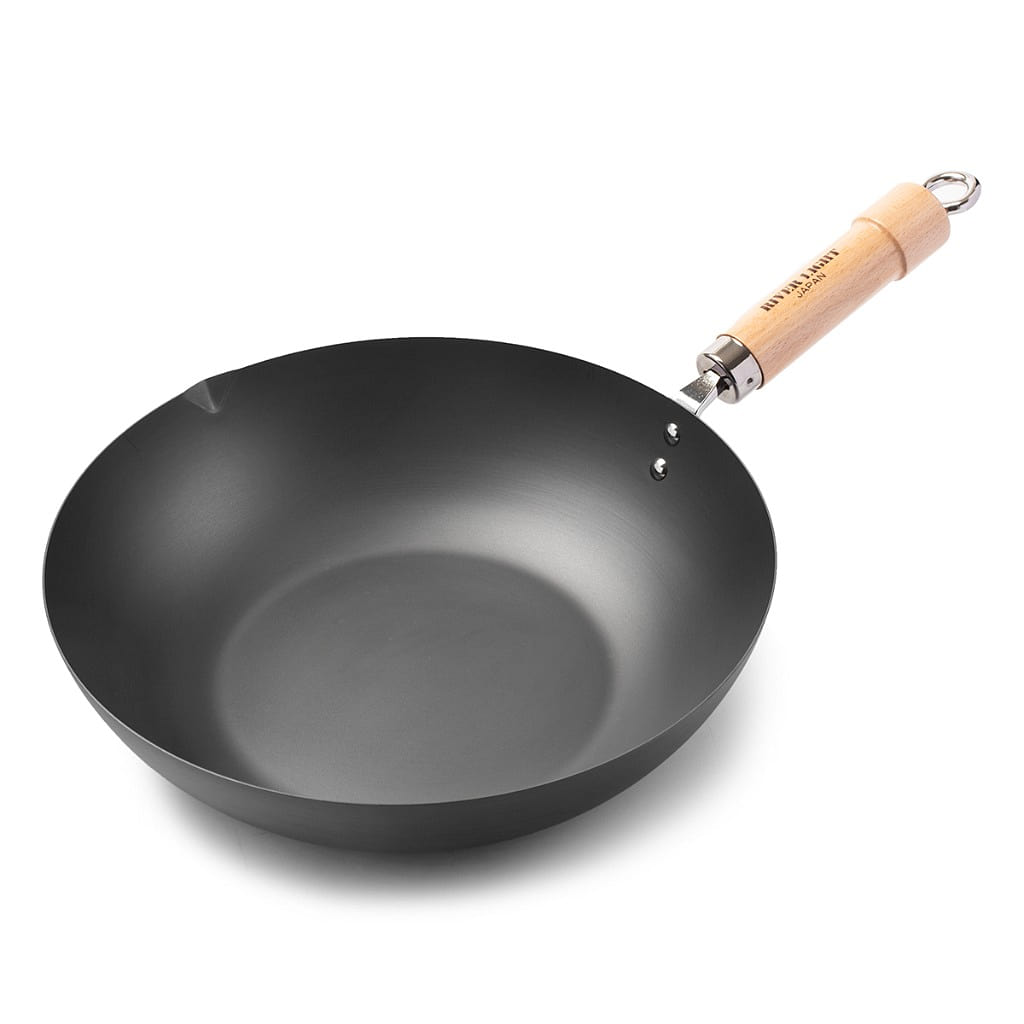
Panela de Fritura Profunda 30cm River Light Japão 1 unidade(s)
Descrição
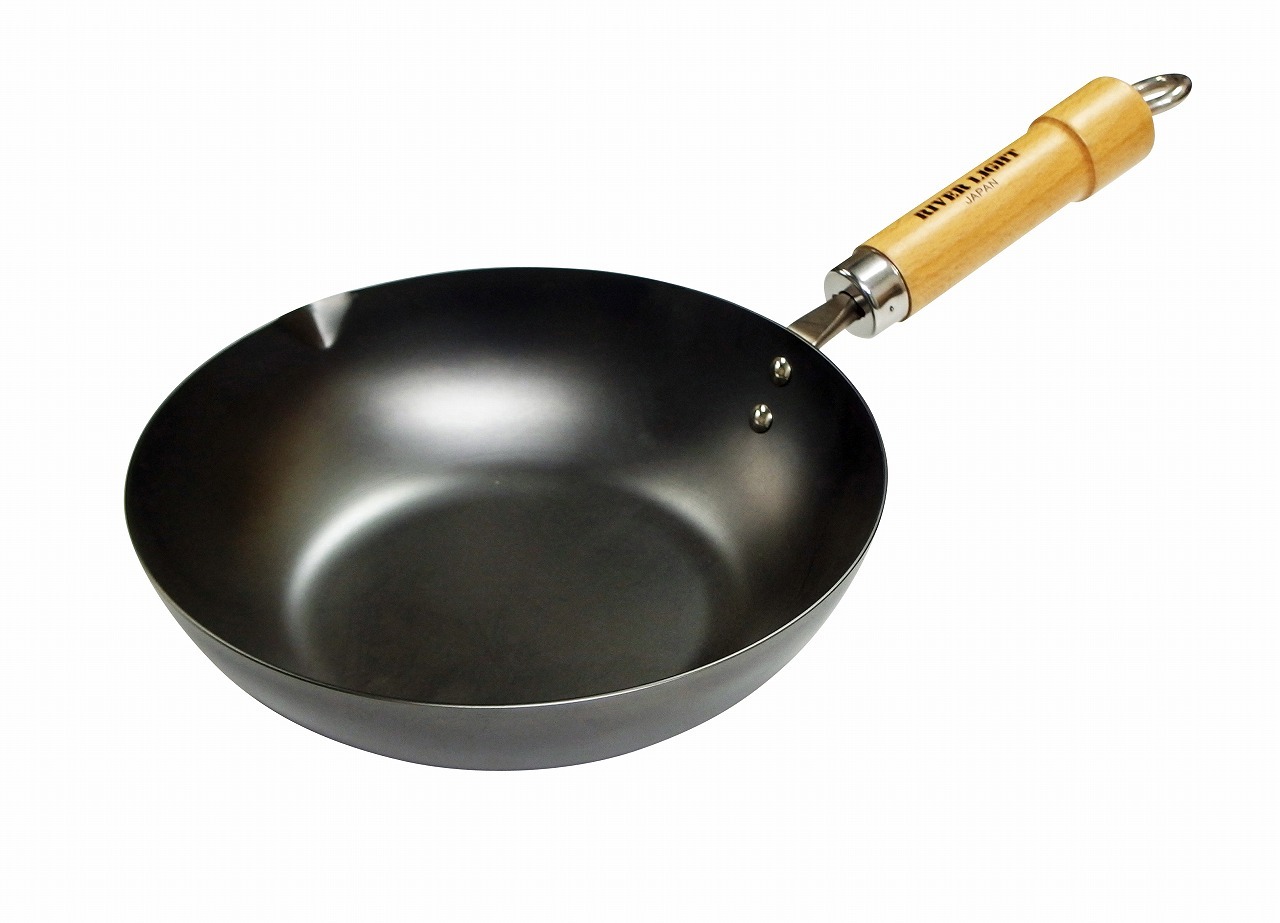
River Light Japan Deep Frying Pan 30cm
Made in japan
Size: 30 x 50 x 14 cm, depth/8 cm, bottom diameter/17.2 cm
Weight: 1.2kg
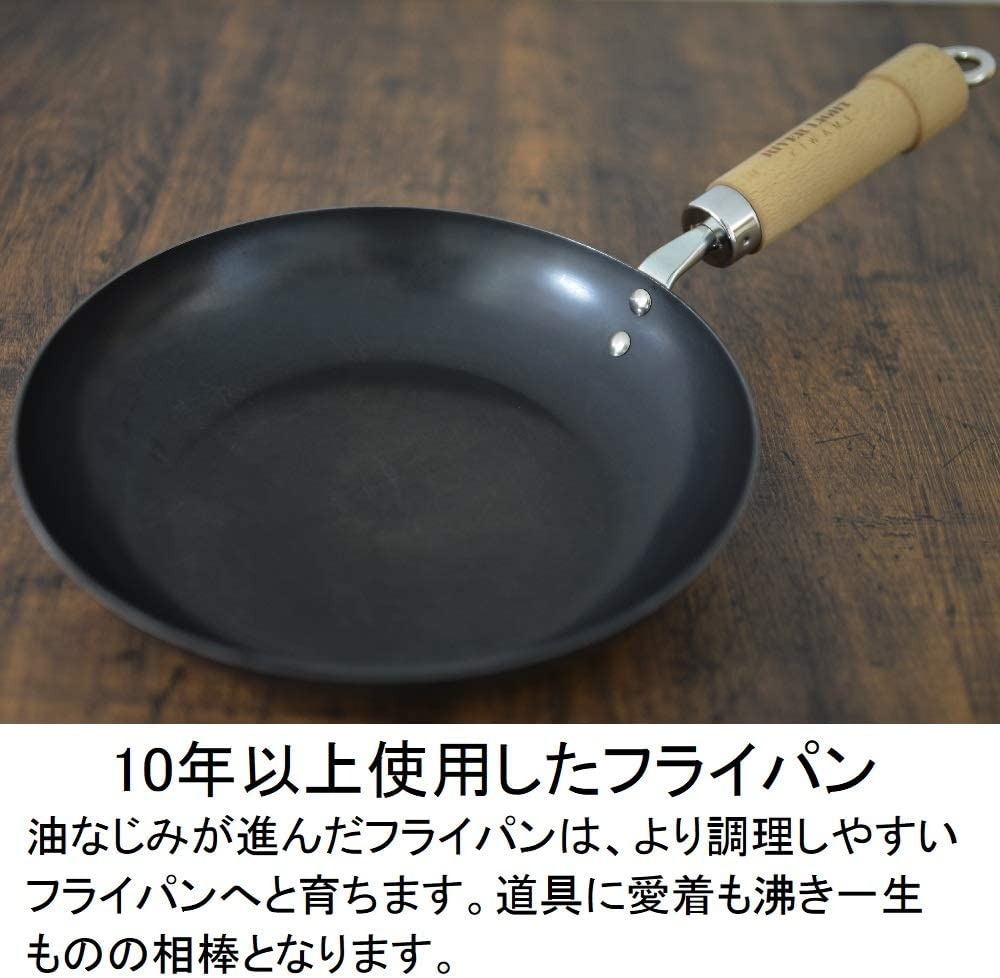
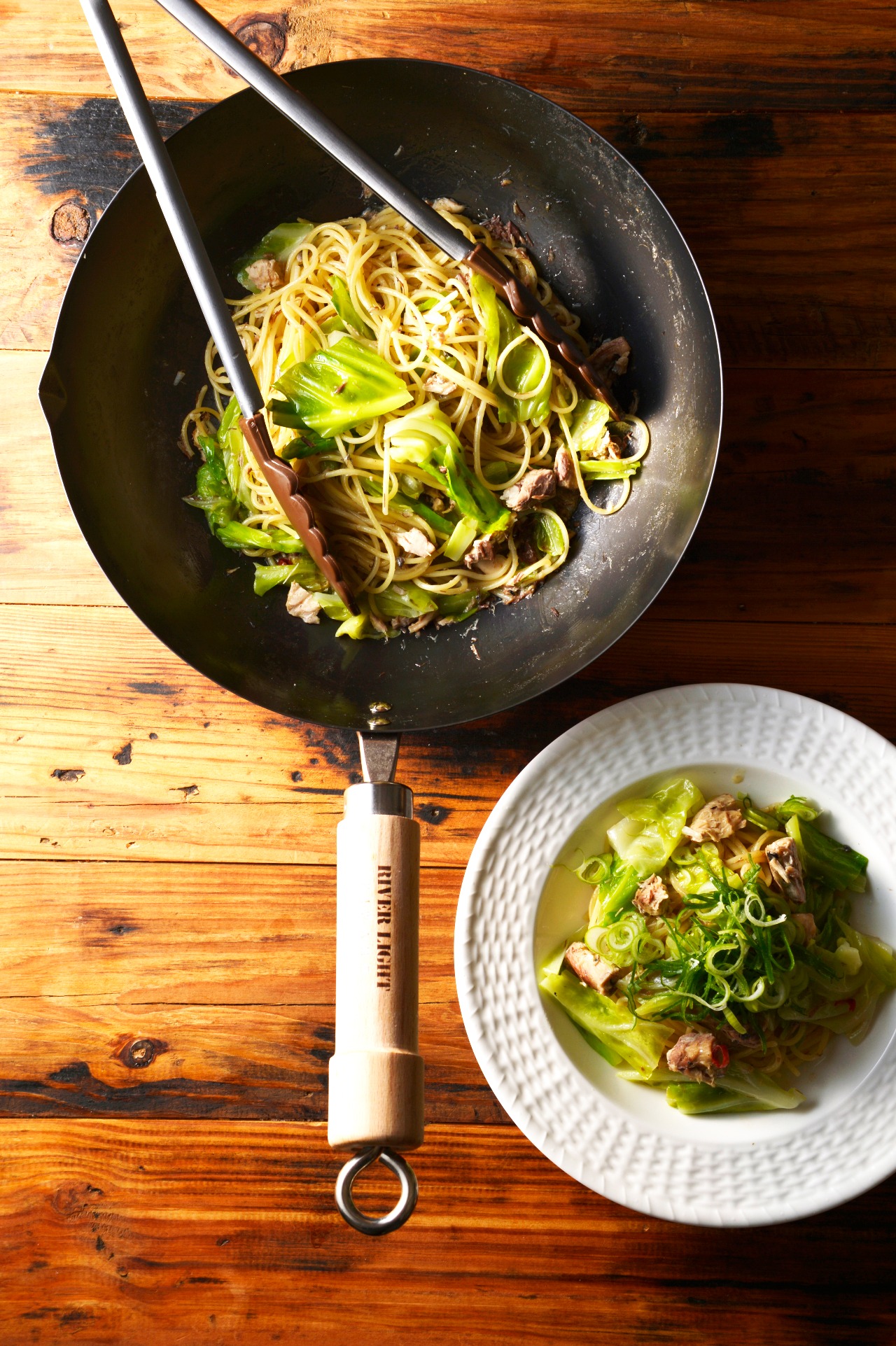
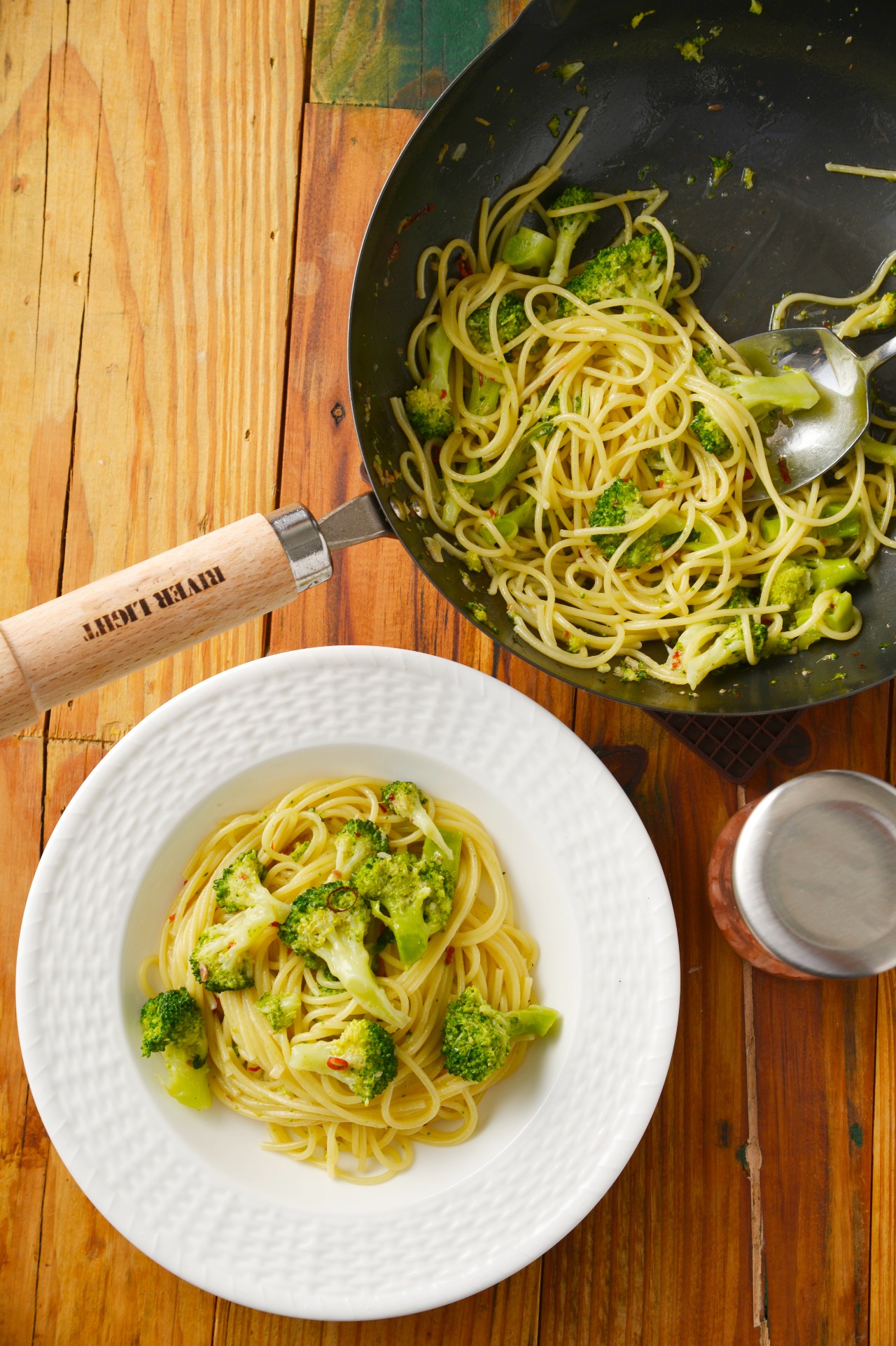
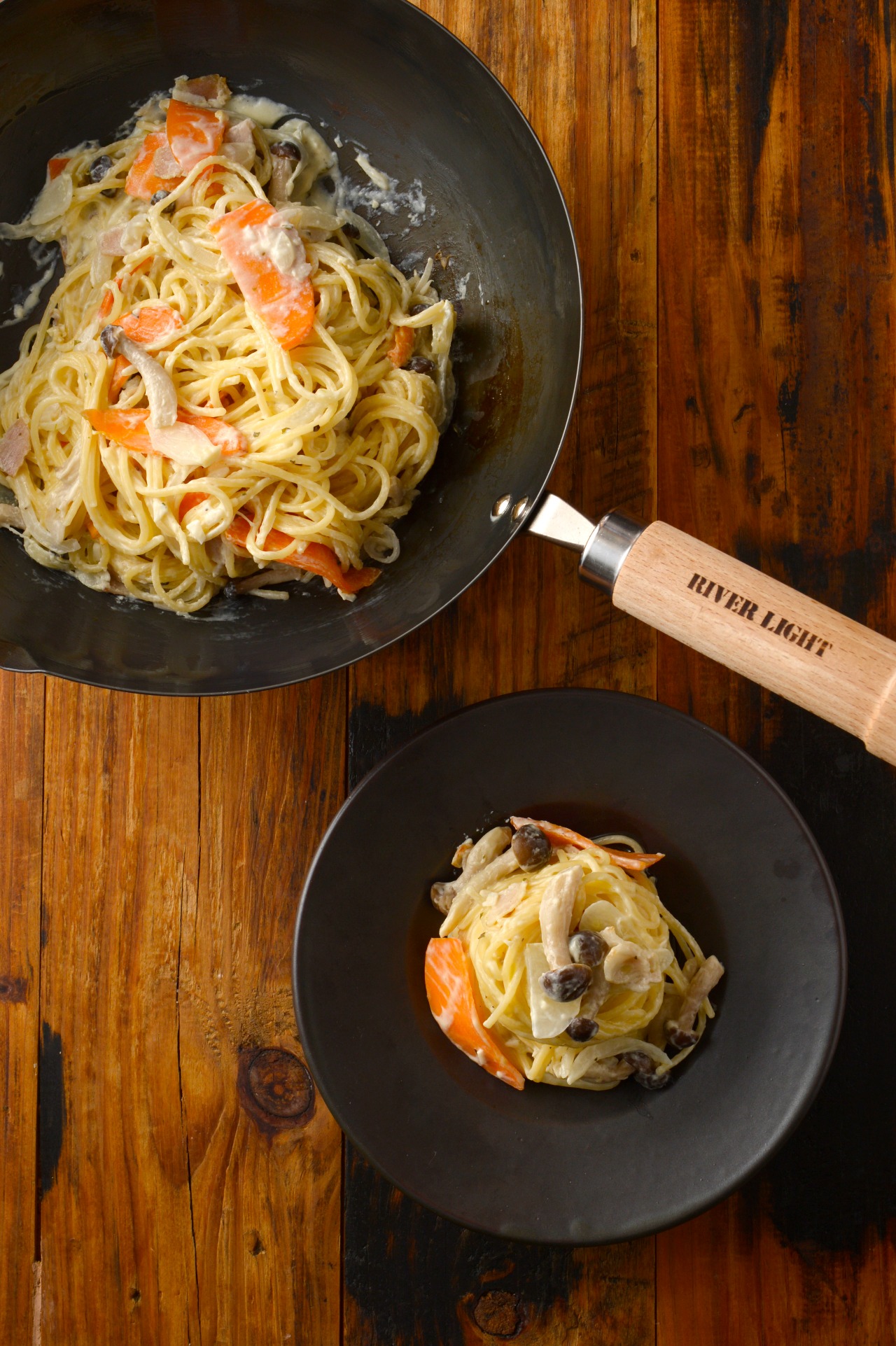
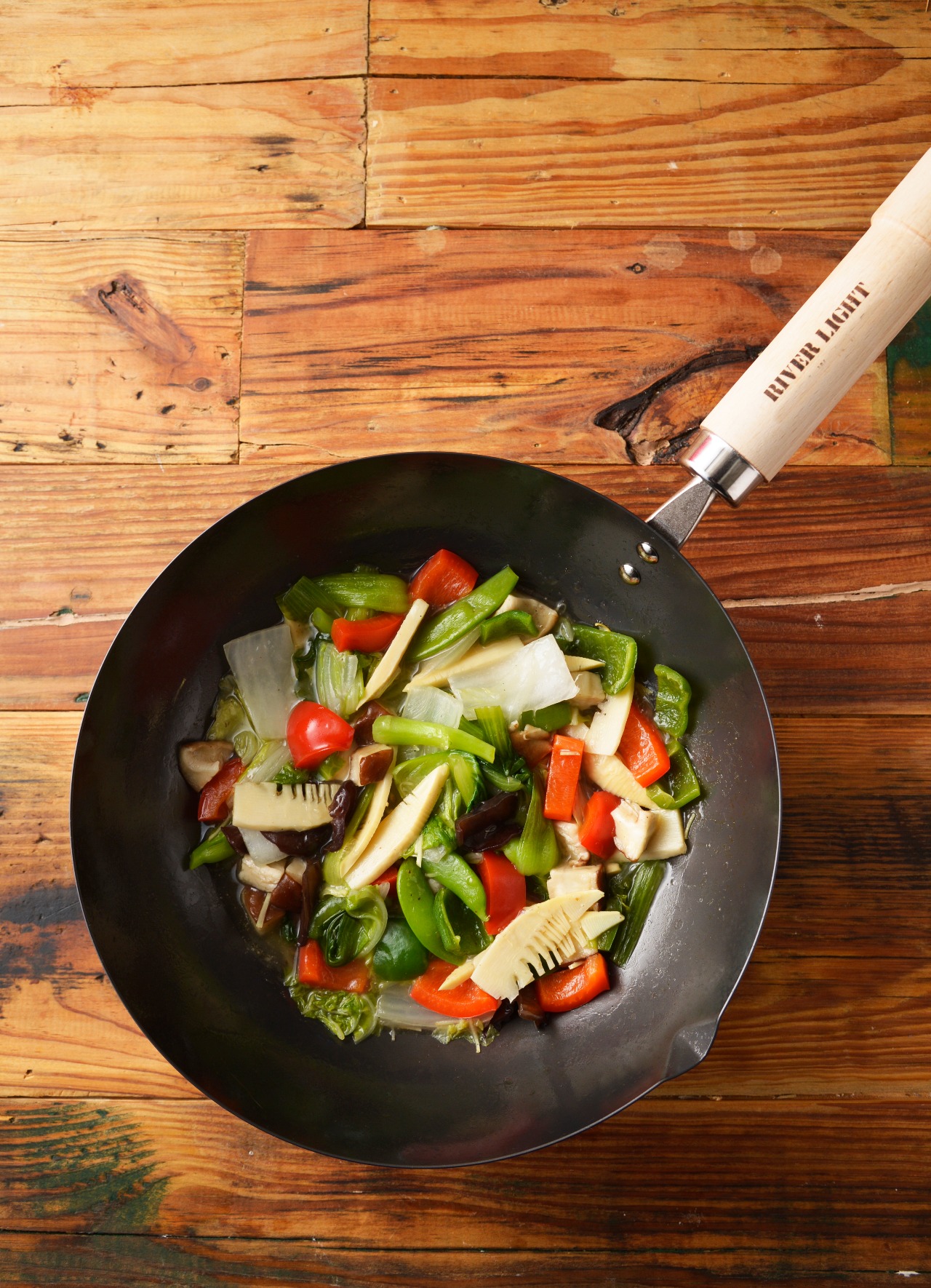
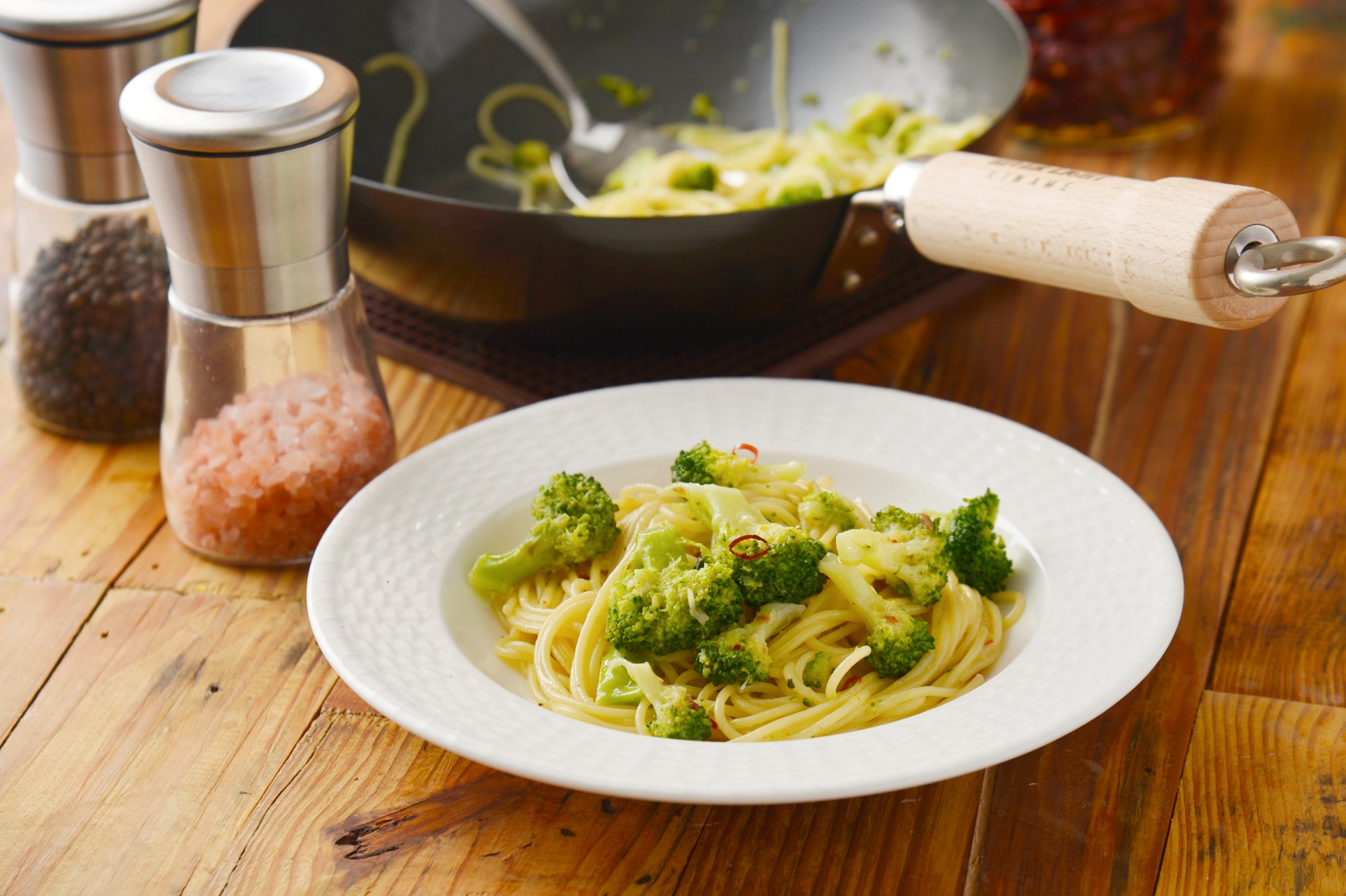
Why Does River Light Stick to Iron (Steel Sheet)?
Why Is Iron (Steel Sheet) Good for Frying Pans?
Food needs to be cooked in high temperature at approximately 170–180°C in order to bring out its best flavor. Iron is a material with higher heat resistance, and is also the one best-suited to storing and releasing heat.
In other words, not only is it able to store abundant amounts of heat, it is also able to release just the right amount of heat in order to bring out the best in most ingredients. These properties enable food to be cooked quickly at high temperatures, all without losing any delicious flavor.
And the greatest advantage they bring lies in the fact that the more you use them, the more the oil and metal mix together to make them work even better. Unlike teflon, which degrades after several months at worst and several years at best, a good iron pan that is properly cared for can be passed on from parent to child to grandchild and beyond, for decades and decades. They are not disposable tools meant to be worn out and replaced. They are tools that are meant to be cared for, that can be made into something better than they were when they were first purchased.
Instruction Manual
A “dream frying pan” that keeps the best parts of iron frying pans while keeping rust away and maintenance easy.
Made in Japan
Caution
Please be sure to read this entire instruction manual before use in order to use this product safely.
Dream Iron Frying Pan
Kiwame uses special heat-treated metal to create the ultimate frying pan series.
Special Heat Treatment: By formulating layers of iron nitride and iron oxide on the frying pan’s surface, it makes it highly resistant to rust and incredibly strong and durable.
Kiwame’s Features
- Stores lots of heat and fully conveys it to food, making for crisp stir-fry and aromatic roasts.
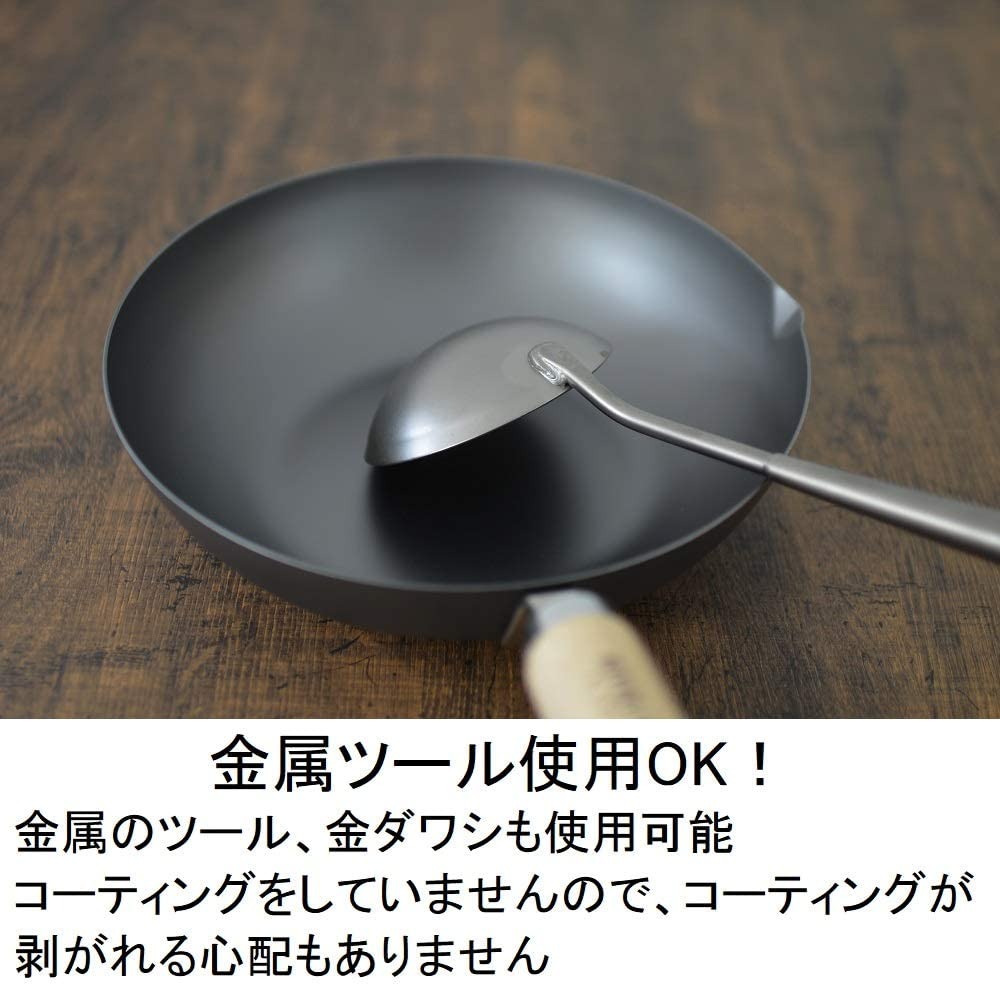
- e oil-conducive surface’s superior friction resistance means it will never get scratched.
- Naturally adds dietary iron to all food prepared with it.
- Incredible rust-resistance and low-maintenance requirements make clean up a snap.
- Can be used with all stoves, including 200vIH (electromagnetic cookers).
However, please be aware that 16cm and 18cm frying pans, 20cm stir-fry pans, tamago yaki pans, extra small pans, Asian pans, 27cm Peking pans, and 27cm woks cannot be used with IH cookers because their 12cm or smaller surface areas don’t heat larger pans enough.
*About Uneven Surface Coloring
The special heat-treatment process sometimes results in distinctive uneven coloring, but this has absolutely no effect on the iron nitride and iron oxide layers or the pan’s performance.
Using Your Kiwame Frying Pan Before first use... “Oil Acclimatization”
KIWAME Frying Pans do not feature an anti-rust coating because they are already extremely rust-resistant. First, please carefully wash the inside and outside of the frying pan with a neutral detergent, and rinse well. Once you have finished acclimatizing the frying pan to oil, you can use it immediately. Also, there is no need to season (pre-burn) the frying pan before acclimatizing it to oil.
Before anything else, please take care to acclimatize your Kiwame frying pan to oil.
- Pour in enough oil to fill up about 1/3 of your frying pan’s capacity and heat it on low for about 5 minutes.
- Turn off the heat and return it to its oil pot or other suitable container.
- Use paper towels to spread the oil that remains in the pan fully around its inner surface.
Before every use... “Oil Return”
Professional and skilled amateur chefs always conduct “oil returns” on their frying pans before using them. Oil returns helps ensure your cooking will not be burnt and come out delicious.
- Warm up your frying pan on medium heat.
- Add a sufficient amount of oil (about a ladle’s worth) of oil to the frying pan and let it acclimatize to the frying pan’s surface.
- Once the oil has heated up and sufficiently acclimatized to the frying pan’s surface, return it to its oil pot. This is the process known as “oil return”. Once this is done, add the appropriate amount of oil for the dish you will be using your frying pan to prepare and begin cooking.
*The goal is to unify the entire frying pan’s surface temperature and get the surface to fully acclimatize to oil. Doing this lets you use your frying pan to its fullest.
When Finished
Iron pots and pans are not storage containers. When finished cooking, please move any leftovers to an appropriate container.
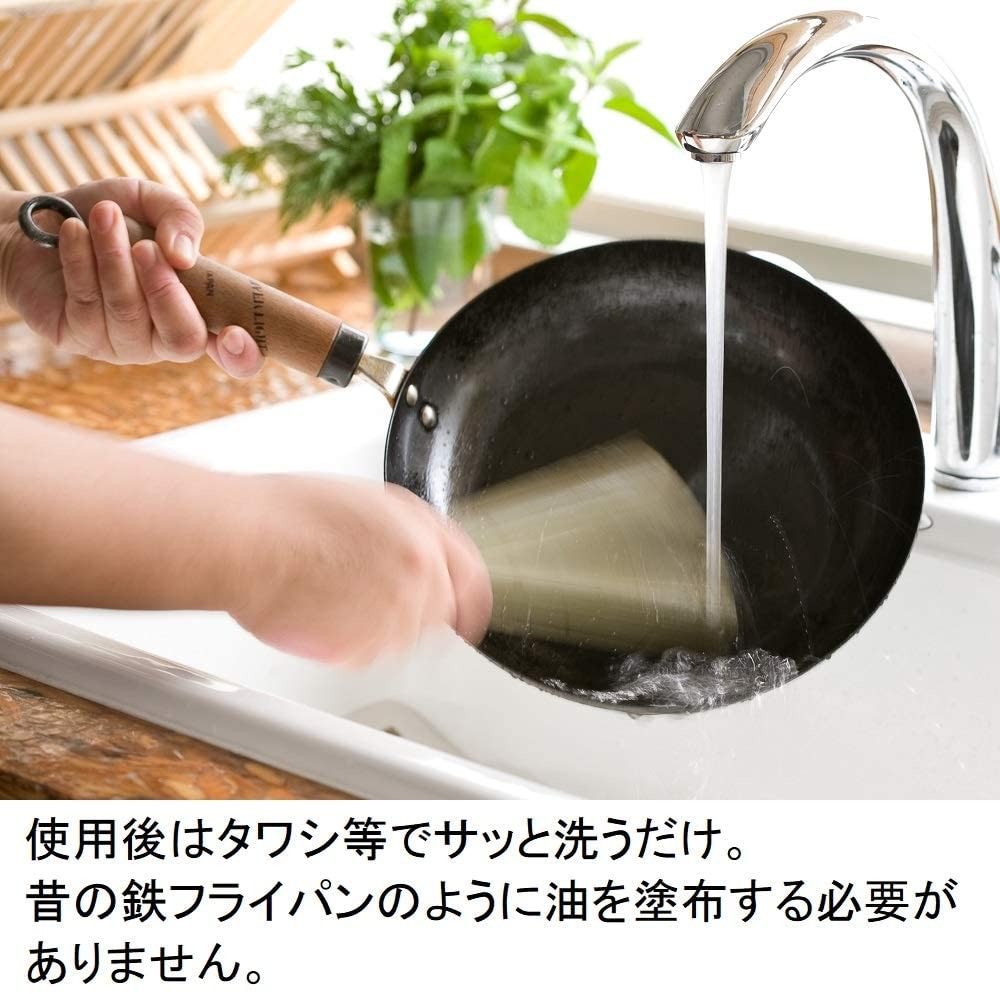
- Use a scrub brush or bamboo whisk while the frying pan is still hot to wash it with hot water. (Please do not wash it in a dishwasher.)
- When done, rinse it off and wipe it dry before putting it away.
When washing your iron frying pan with dish soap, please be aware that it is easy to mistakenly remove the “acclimatized oil membrane” along with oil stains, so please use it as described above.
Post-Stewing, Steaming, and Boiling Maintenance
When using your frying pan for stewing, steaming, or boiling, the hot water used may remove parts of the pan’s acclimatized oil membrane. To avoid this, please wash and dry the pan thoroughly after use and be sure to lightly reapply oil afterwards.
Caring for Your Frying Pan
If you burn what you’re cooking...
Adding hot water and bring it to a boil will soften the burned food and make it easier to remove. Then use a scrub brush or bamboo whisk to remove any final remnants.
If your frying pan becomes stained...
*Please make sure to use a gas stove for this process
- Set a burner on your gas stove to maximum heat, then use it to try and burn the stains off the frying pan directly, until they stop producing smoke.
- Once the frying pan cools down, use a metal scrub brush or metal spatula to scrape away the stains from both sides of the frying pan.
- After polishing the entire frying pan with a hard nylon scrub brush or metal scrub brush and cleaner, rinse it with water, then wipe it dry. Next, heat the empty frying pan on medium for about 5 minutes, then when it cools down repeat steps 1, 2, and 3 for oil acclimatization.
What is the key point to creating delicious broiled, stir-fried, and deep-fried foods?
The answer is proper cooking temperature.
Even if you buy great ingredients and properly prepare them, if you don’t get the cooking temperature right, especially if you accidentally make it too high, then all your effort will be wasted. There are no do-overs. Here are the three main reasons why cooking temperature is so important.
1. Sugar.
Política de devolução
Ver detalhesAVISO
California Proposition 65Aviso legal
As descrições de produtos no site e no app da MásGusto são apenas informativas. Ver aviso legal. Preço e disponibilidade podem variar por área de entrega. Visite masgusto.com ou o app da MásGusto para ver o preço exato no seu CEP.